
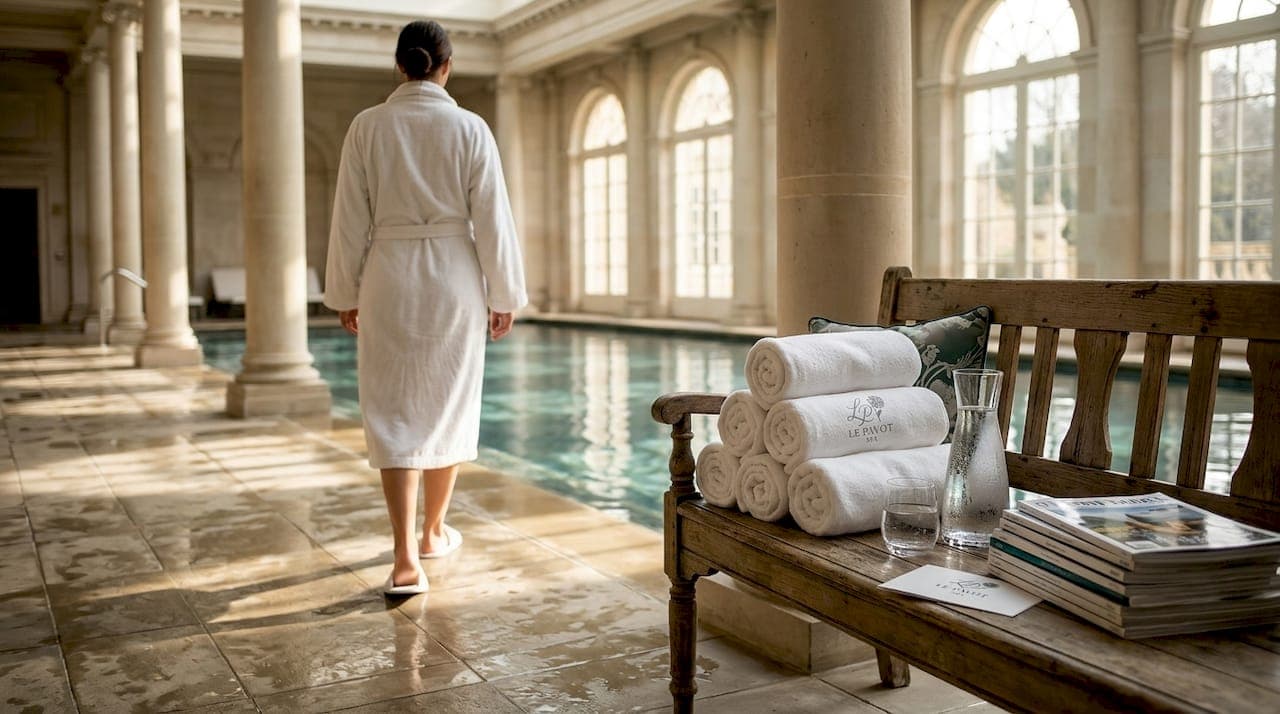
Not all spas are created equal. Walk into a standard hotel spa and you might get a pleasant massage and a cucumber water. Walk into a true European spa and you enter a world shaped by centuries of medical science, mineral-rich thermal waters, and physician-guided healing rituals. A European spa is a wellness facility rooted in centuries-old traditions of using natural healing resources for therapeutic purposes, not just relaxation. This guide breaks down exactly what defines the European spa model, which therapies you can expect, and how to recognize an authentic luxury experience worth your time and investment.
Table of Contents
- What defines a European spa?
- Core therapies and methodologies
- The luxury European spa experience in premium hotels
- European vs. American spas: What's different?
- How to select your ideal European spa
- Experience European spa luxury close to home
- Frequently asked questions
Key Takeaways
| Point | Details |
|---|---|
| European spa roots | European spas are deeply rooted in science-backed traditions like balneology and natural healing resources. |
| Therapies and programs | Signature therapies include balneotherapy, hydrotherapy, and physician-guided detox plans lasting 3 to 14 days. |
| Luxury and wellness | Luxurious hotel-based European spas offer holistic, evidence-based treatments beyond standard pampering. |
| Europe vs US spa | European spas prioritize medical effectiveness, while American spas emphasize pleasure and aesthetics. |
| Choosing the right spa | The ideal European spa matches your health goals with authentic therapies and luxury, best enjoyed through multi-day programs. |
What defines a European spa?
The term "European spa" gets used loosely, but its true meaning is precise. At its core, a European spa is built on balneology, the medical science of using natural mineral waters, thermal springs, and climate for healing. This is not a modern wellness trend. It is a practice that dates back to ancient Rome and was formalized into medical protocols across Central Europe over hundreds of years.
"European spas are wellness facilities rooted in centuries-old traditions and balneology, using natural resources like thermal springs, sea mud, and climate as therapeutic tools."
The medical spa tradition in Europe has long been recognized as a pillar of preventative health, not a luxury add-on. Governments across Germany, Austria, and the Czech Republic have historically integrated spa treatments into public health systems.
Some of the world's most iconic European spa destinations include:
- Budapest, Hungary: Famous for its thermal baths fed by natural geothermal springs, used for joint pain and circulation therapy
- Baden-Baden, Germany: Known for its Roman-Irish bath rituals and upscale wellness clinics
- Karlovy Vary, Czech Republic: Celebrated for its drinking cure springs and structured detox programs
- Vichy, France: Renowned for hydrotherapy and its signature Vichy shower massage
For wellness travelers seeking luxury spa experiences that go beyond surface-level pampering, understanding these roots is the first step toward choosing something genuinely transformative.
Core therapies and methodologies
European spa therapies are not random menu items. They follow structured, evidence-based protocols designed to address specific health outcomes. Key methodologies include balneotherapy, hydrotherapy, contrast therapy, massages, and physician-supervised programs for detox, pain relief, and circulation improvement.
| Therapy type | Medical spa focus | Recreational spa focus |
|---|---|---|
| Balneotherapy | Joint disease, circulation, skin conditions | Relaxation, muscle tension |
| Hydrotherapy | Lymphatic drainage, post-surgical recovery | Stress relief, body toning |
| Contrast therapy | Immune stimulation, vascular training | Invigoration, energy boost |
| Massage therapy | Pain management, neurological support | Relaxation, pampering |
| Physician programs | Chronic condition management, detox | Aesthetic enhancement |
A typical physician-guided European spa program follows a clear structure:
- Initial medical consultation: A licensed physician assesses your health history, goals, and contraindications
- Diagnostic testing: Blood panels, posture analysis, or thermal imaging depending on the facility
- Personalized therapy plan: A daily schedule combining balneotherapy, massage, and nutritional guidance
- Mid-program review: Adjustments based on your body's response to treatments
- Closing assessment: Recommendations for continuing care and lifestyle changes at home
Beyond classical therapies, top-tier European spas now incorporate advanced holistic rituals like exosome oxygen facials, Gua Sha (a traditional East Asian scraping technique adopted into European wellness programs), and longevity-focused protocols. These additions reflect how the therapy standards set by European spa associations continue to evolve.
Pro Tip: The best results from a European spa program come from committing to a multi-day stay. Three days is the minimum to feel a measurable shift. Fourteen days allows for genuine physiological change, especially for chronic conditions.
If you are planning your first visit and want guidance on what to book, a massage booking guide can help you match the right therapy to your wellness goals before you arrive.
The luxury European spa experience in premium hotels
When European spa science meets a five-star hotel environment, the result is something genuinely special. In luxury hotel settings, European spas fuse medical treatments with high-end amenities and holistic rituals that make the healing process feel indulgent rather than clinical.
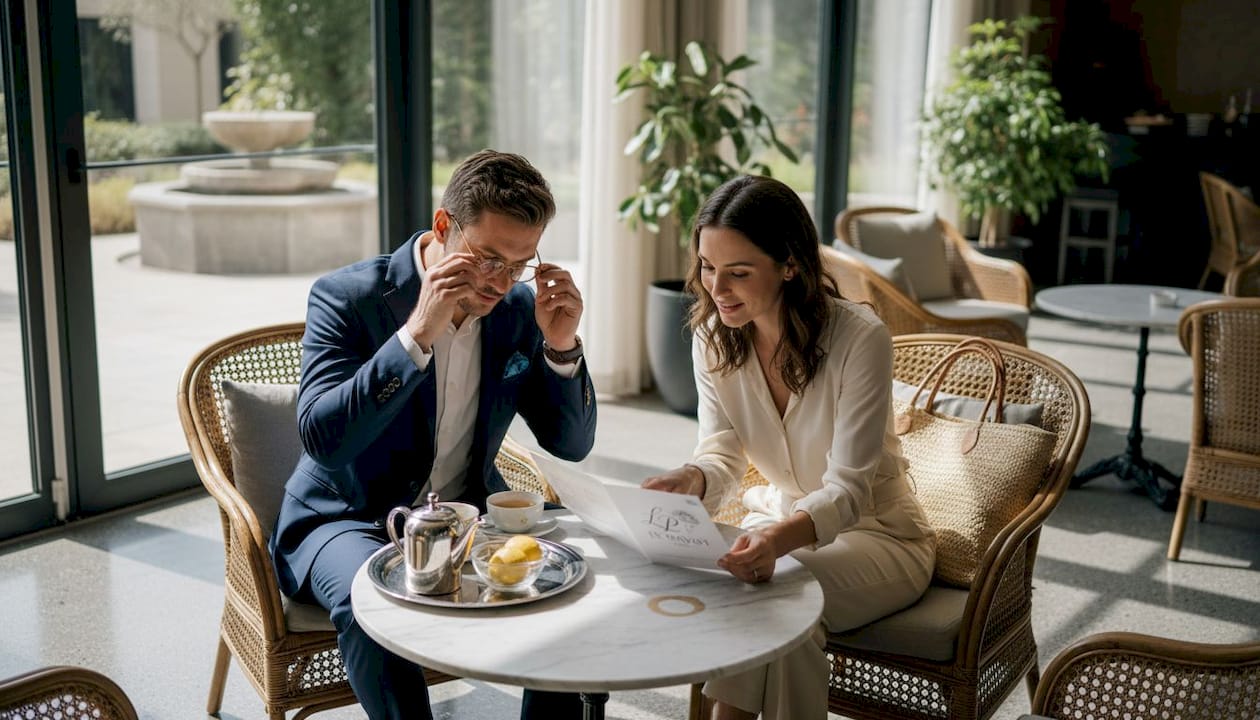
| Amenity | Luxury European spa | Standard hotel spa |
|---|---|---|
| Thermal pools | Multiple temperature zones, mineral-infused | Single pool, chlorinated |
| Treatment rooms | Soundproofed, climate-controlled, scent-curated | Basic, shared corridor access |
| Staff credentials | Licensed physicians, certified balneologists | Certified massage therapists |
| Program structure | Multi-day, physician-designed | Single session, menu-based |
| Architecture | Designed for sensory immersion | Functional, aesthetic only |
Signature luxury treatments you will only find at top-tier European-inspired spas include:
- Rasul mud ceremony: A ritualized application of mineral-rich mud in a steam chamber, followed by a thermal shower
- Hammam with kessa exfoliation: A full-body scrub using traditional black soap and a coarse mitt in a heated marble room
- Vichy shower massage: A therapist performs massage while warm water cascades from overhead jets
- Thalassotherapy: Seawater-based treatments using algae wraps, marine mud, and pressurized jets
The architecture and soundscape of a luxury European spa are not incidental. Research consistently shows that sensory environment directly affects cortisol levels and the depth of relaxation achieved. Warm lighting, natural stone surfaces, and curated ambient sound are deliberate therapeutic tools, not just design choices.
Pro Tip: When booking at a luxury hotel spa, ask specifically whether they offer programs that combine a physician consultation with signature rituals. This pairing is what separates a truly personalized experience from a standard menu booking.
Exploring European-inspired spa amenities in a premium hotel setting gives you a clear benchmark for what a well-executed luxury spa should feel like. Pair that with knowing your spa day essentials and you arrive prepared to get the most from every treatment. For inspiration on the world's finest properties, the list of top European spa hotels offers a useful reference point.
European vs. American spas: What's different?
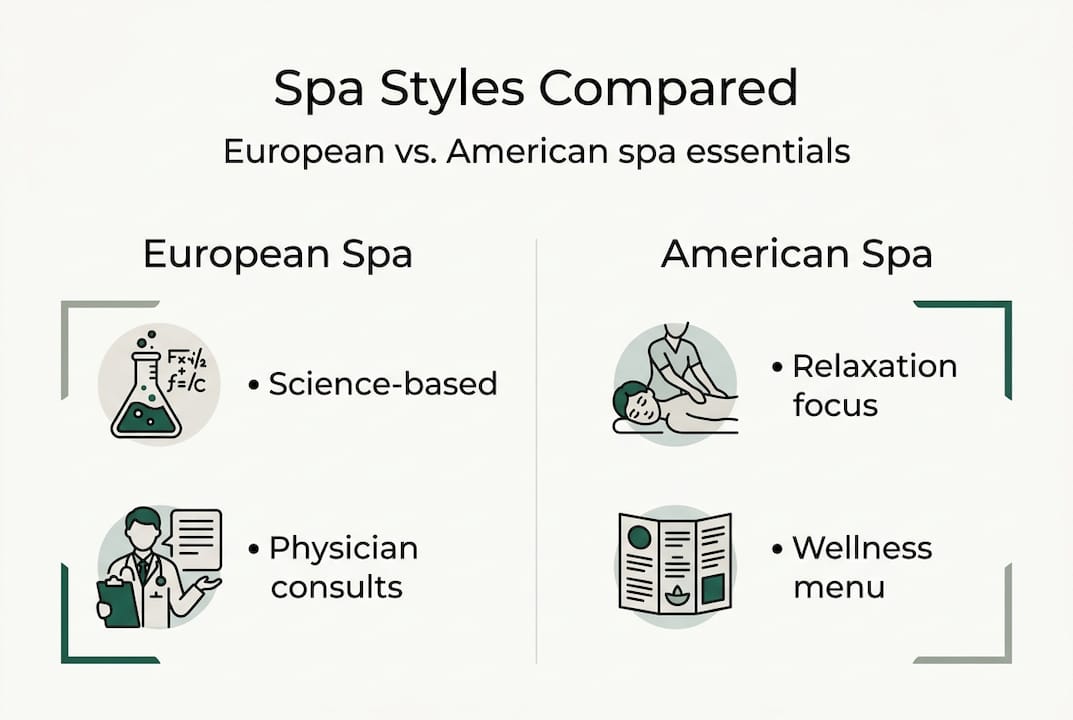
The contrast between European and American spa culture is sharper than most people realize. European spas emphasize evidence-based medical treatments, while U.S. spas tend to focus on luxury aesthetics and short-term relaxation. Neither is wrong, but they serve very different needs.
Key differences at a glance:
- Philosophy: European spas treat the body as a system requiring maintenance; American spas treat the visit as a reward or escape
- Medical integration: European facilities often employ licensed physicians and physiotherapists; American spas typically employ licensed estheticians and massage therapists
- Insurance coverage: In countries like Germany and Austria, evidence-based spa treatments are frequently covered by health insurance; in the U.S., spa visits are almost entirely out-of-pocket
- Program length: European programs are designed for multi-day or multi-week stays; American spas are built around single-session bookings
- Outcome focus: European spas measure success by health markers; American spas measure it by guest satisfaction scores
The scale of the European wellness industry reflects this deep cultural integration. The sector supports approximately 12,000 facilities, generates around €45 billion in annual turnover, and employs roughly 750,000 people across the continent. These are not vanity numbers. They reflect a public health infrastructure built around preventative wellness.
For travelers who want to understand the difference between luxury spa styles before committing to a booking, this comparison is essential context.
How to select your ideal European spa
Choosing the right European spa requires more than picking the most beautiful photos online. Your wellness goals, available time, and the facility's actual credentials all matter.
Follow these steps to find and book the right experience:
- Define your primary goal: Are you managing a chronic condition, recovering from stress, or seeking a preventative health reset? Your answer determines whether you need a medical spa or a luxury destination spa
- Verify staff credentials: Look for licensed physicians, certified balneologists, or physiotherapists on the team, not just aestheticians
- Check therapy authenticity: Confirm that the spa uses genuine mineral waters, certified mud, or clinically validated protocols, not just branded product lines
- Assess program structure: A credible European spa offers structured multi-day programs. Programs can be tailored from 3 to 14 days depending on health goals, from detox to chronic pain prevention
- Evaluate hotel integration: The best experiences combine spa access with hotel amenities, dining, and rest environments designed to support recovery
- Read outcome-based reviews: Look for guest feedback that mentions measurable results, not just ambiance
Pro Tip: The most transformative European spa experiences blend modern diagnostics, like metabolic testing or biometric screening, with traditional therapies. If a facility offers both, it is operating at the highest level of the field.
For chronic conditions, a dedicated medical spa with physician oversight is the right choice. For stress recovery and preventative wellness, a luxury destination spa with European-inspired protocols delivers exceptional results. Aligning your choice with your actual health goals is what turns a pleasant trip into a genuinely meaningful one. A solid booking the right therapy resource can help you navigate the options before you commit. For property-level guidance, reviewing luxury spa hotel selection resources gives you a strong shortlist to work from.
Experience European spa luxury close to home
You do not need to fly to Baden-Baden or Budapest to access the kind of wellness experience this guide describes. The principles of European spa philosophy, physician-informed care, signature thermal rituals, and sensory-rich environments, are available closer than you think.
Le Pavot Spa, located within the Sheraton Hotel in Abu Dhabi, brings European-inspired wellness to the heart of the UAE. From deep tissue therapy and aromatherapy to couples packages and complimentary Turkish bath rituals, every treatment is designed around the same philosophy that defines the best European spas: genuine therapeutic value delivered in a setting of real luxury. If you want to learn more about luxury spa experiences before booking, our blog covers everything you need to arrive informed and ready to relax fully.
Frequently asked questions
What is balneology and how does it relate to European spas?
Balneology is the scientific study of using mineral-rich waters for therapeutic purposes, and it forms the medical foundation of the European spa tradition. Without balneology, a European spa is simply a hotel amenity rather than a health facility.
How long should I stay at a European spa for optimal results?
Typical programs range from 3 to 14 days, with shorter stays suited to stress recovery and longer programs designed for chronic conditions or full detox protocols. Anything under three days rarely produces lasting physiological benefit.
Are European spa therapies covered by insurance?
In several European countries, evidence-based spa treatments are covered by national health insurance, particularly in Germany and Austria where balneotherapy is recognized as a medical intervention. This coverage does not apply in the U.S. or the UAE.
What makes a luxury European spa different from a standard hotel spa?
Luxury European spas blend medical and therapeutic treatments with high-end amenities, physician oversight, and multi-day programs, while standard hotel spas typically offer single-session, menu-based services without clinical structure.