
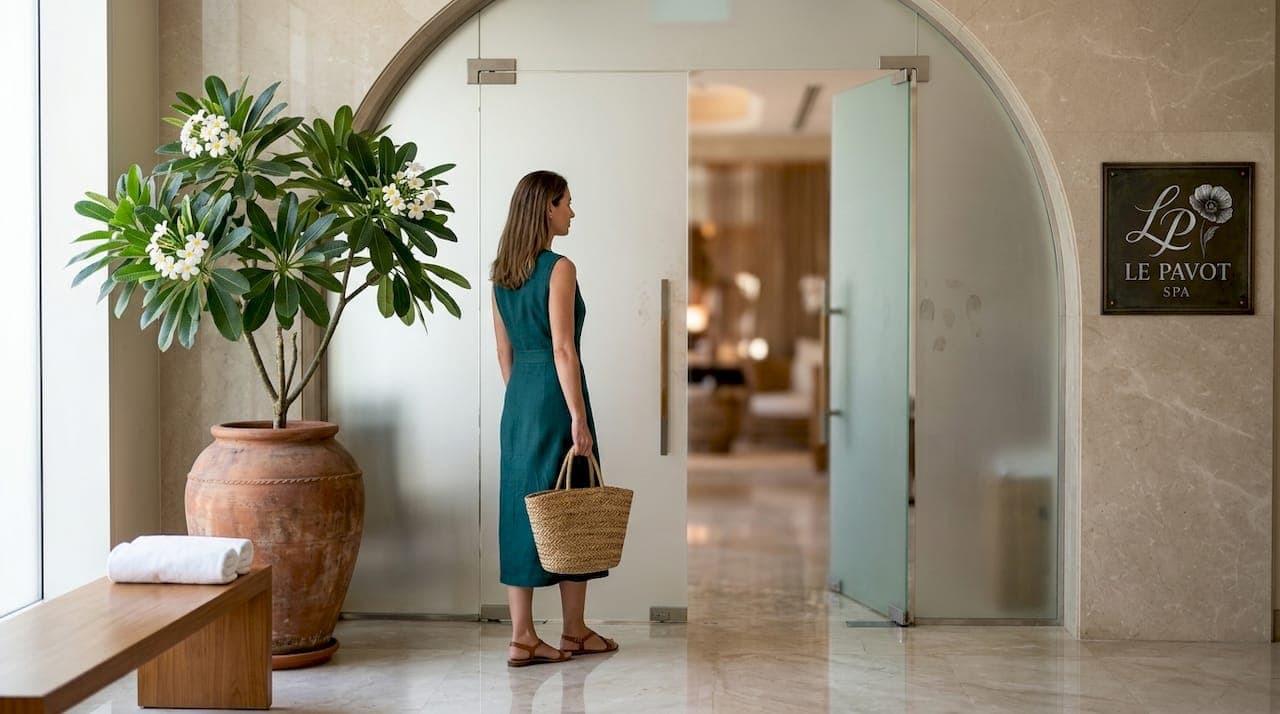
Modern life in Abu Dhabi brings unique pressures. Between demanding careers, family obligations, and the fast pace of urban living, stress accumulates quickly. Upscale spa experiences offer more than temporary escape. They provide scientifically backed methods to reduce cortisol levels, improve sleep quality, and restore mental clarity. This guide walks you through proven stress relief techniques available at luxury spas across Abu Dhabi, helping you select treatments that deliver genuine results. Whether you're a business traveler seeking quick recovery or a local resident planning regular wellness routines, understanding these methods transforms spa visits from indulgence into strategic self-care.
Table of Contents
- Key Takeaways
- Identifying your stress relief goals and prerequisites
- Step-by-step guide to popular upscale stress relief methods
- Common mistakes and how to avoid them for the best results
- Measuring results and maintaining stress relief after your spa visit
- Experience tailored stress relief at Le Pavot Spa Abu Dhabi
- FAQ
Key Takeaways
| Point | Details |
|---|---|
| Identify stress type | Assess whether your stress is physical, mental, or emotional to tailor spa treatments. |
| Set booking goals | Define whether you want deep relaxation, detox support, or a couples experience to guide treatment selection. |
| Disclose health details | Inform the spa about health conditions, pregnancy, injuries, skin sensitivities, and any medications to ensure safe, suitable options. |
| Schedule transition time | Allocate additional time before and after treatments to maximize comfort and outcomes. |
Identifying your stress relief goals and prerequisites
Before booking any spa treatment, assess what type of stress affects you most. Physical tension manifests as tight shoulders, headaches, or muscle pain. Mental stress shows up as racing thoughts, difficulty concentrating, or decision fatigue. Emotional stress creates anxiety, irritability, or feelings of overwhelm. Each type responds better to specific treatments, making self-assessment your first step.
Your spa experience should match your specific goals. Are you seeking deep relaxation after months of high-pressure work? Do you need detoxification support? Are you planning a romantic wellness day with your partner? Corporate clients often require efficient treatments that fit tight schedules, while couples might prioritize extended experiences with shared amenities. Understanding your stress type helps tailor spa treatments effectively to your situation.
Several prerequisites ensure optimal results:
- Disclose all health conditions, including pregnancy, injuries, blood pressure issues, or skin sensitivities
- Allocate sufficient time for treatments plus 30 minutes before and after for transition
- Set a realistic budget that includes gratuities and potential add-on services
- Choose spa environments aligned with your preferences, whether minimalist modern or traditional opulent
- Verify the spa's reputation through reviews and credentials
Communicating clearly with spa staff makes a substantial difference. Describe your stress symptoms, pressure preferences, and any areas requiring special attention. Professional therapists adjust techniques based on your feedback, but they need honest information to customize effectively. Silence during discomfort leads to poor experiences, while open dialogue creates transformative sessions.
Pro Tip: Schedule your first luxury spa visit during a less stressful week. This baseline experience helps you recognize what genuine relaxation feels like, making it easier to identify when you truly need stress relief treatments in the future.
Reputable upscale spas invest in trained therapists, quality products, and hygiene standards that directly impact your safety and results. Research facilities thoroughly, checking certifications, therapist qualifications, and client testimonials. The spa environment itself affects relaxation. Lighting, sound design, temperature control, and privacy levels all contribute to stress reduction or distraction.
Step-by-step guide to popular upscale stress relief methods
Implementing effective spa stress relief follows a structured approach. Start by booking a consultation where professionals assess your needs and recommend appropriate treatments. This conversation establishes expectations and allows customization based on your stress profile, available time, and physical condition.
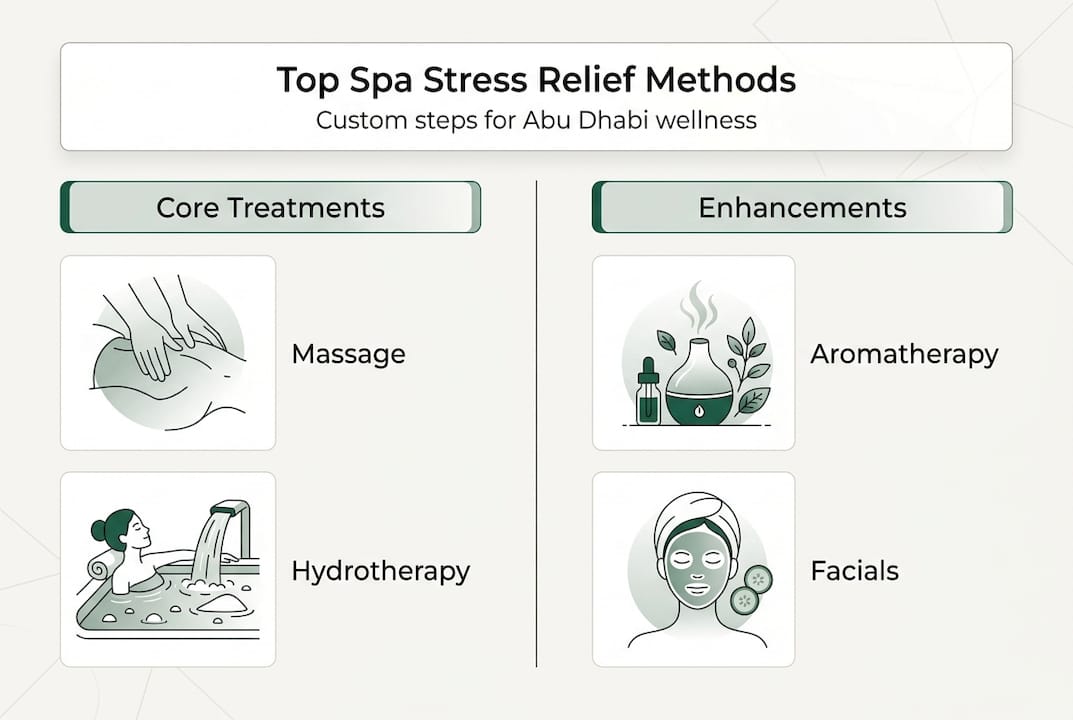
Step 1 involves selecting your primary treatment. Swedish massage uses long, flowing strokes to relax superficial muscle layers and improve circulation. Deep tissue massage targets chronic tension in deeper muscle structures, ideal for persistent knots and pain. Hot stone massage combines heated basalt stones with traditional techniques to penetrate tight muscles more effectively. Each massage type addresses different stress manifestations.
Step 2 introduces water-based treatments and massages central to stress relief at Abu Dhabi luxury facilities. Hydrotherapy encompasses saunas, steam rooms, whirlpool baths, and plunge pools. Heat therapies dilate blood vessels, promoting toxin elimination through sweat while relaxing tense muscles. Alternating hot and cold water exposure stimulates circulation and energizes the nervous system. Spend 15 minutes in heat, followed by a cool shower, then rest for 10 minutes. Repeat this cycle twice for optimal benefits.
Step 3 incorporates aromatherapy into your session. Aromatherapy with essential oils enhances relaxation and reduces anxiety through olfactory system stimulation. Lavender promotes sleep and calmness. Bergamot reduces cortisol levels and elevates mood. Chamomile soothes nervous tension. Frankincense encourages deep breathing and meditation. Therapists blend oils specifically for your stress type, diffusing them during treatments or applying them through massage.
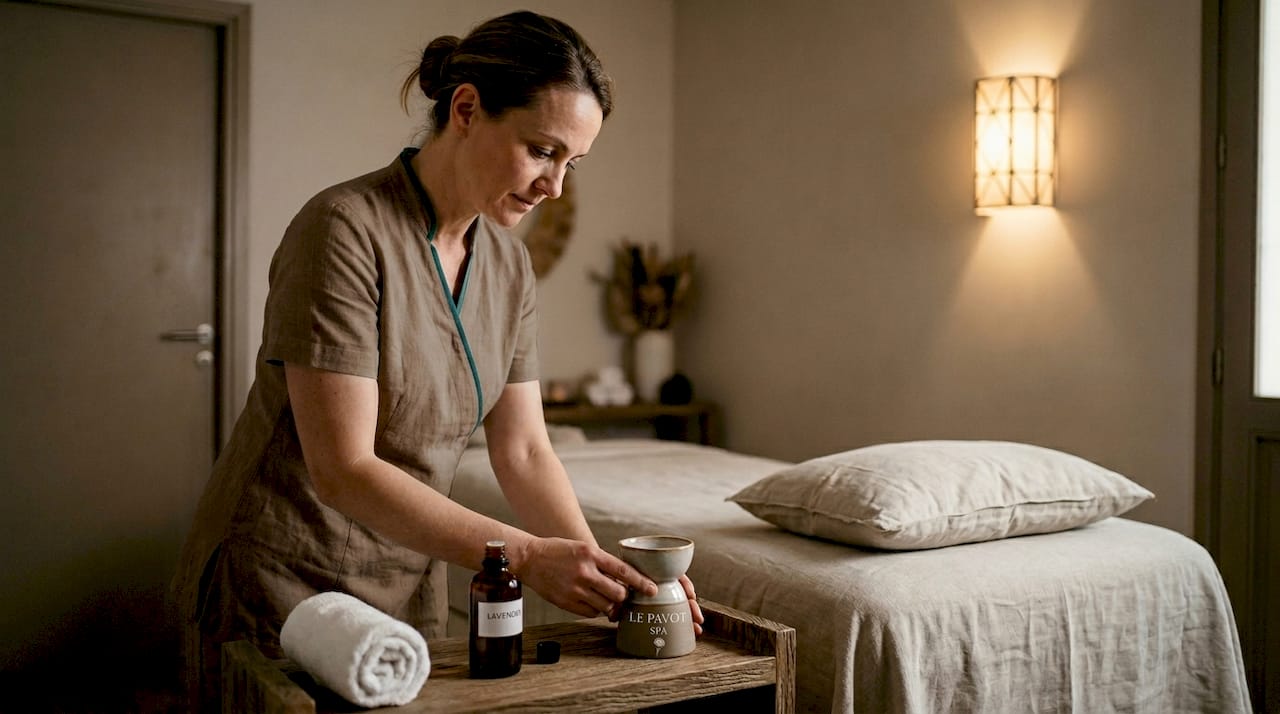
Step 4 adds facial and body treatments that address stress's visible effects. Facials using calming ingredients like rose, cucumber, or aloe reduce inflammation and promote skin healing. Body scrubs exfoliate dead cells while stimulating lymphatic drainage. Wraps using mud, seaweed, or herbal compounds draw out impurities while delivering minerals. These treatments combine physical benefits with sensory relaxation.
Step 5 involves sequencing treatments for maximum impact. Begin with hydrotherapy to warm muscles and open pores. Follow with your chosen massage to release deep tension. Conclude with aromatherapy or a facial to extend the relaxed state. This progression builds relaxation systematically rather than jumping between intense stimuli.
| Method | Primary Benefit | Typical Duration | Best For |
|---|---|---|---|
| Swedish Massage | Overall relaxation, circulation | 60-90 minutes | First-time spa visitors, mild stress |
| Deep Tissue Massage | Chronic tension relief | 60-90 minutes | Athletes, desk workers, persistent pain |
| Hot Stone Massage | Deep muscle relaxation | 75-90 minutes | Cold sensitivity, deep-seated tension |
| Hydrotherapy Circuit | Detoxification, circulation | 45-60 minutes | Physical exhaustion, jet lag |
| Aromatherapy Session | Mental clarity, emotional balance | 30-60 minutes | Anxiety, insomnia, mood issues |
| Facial Treatment | Skin rejuvenation, sensory calm | 60-75 minutes | Stress-related skin issues |
Pro Tip: Book treatments during weekday mornings when spas are quieter. The reduced ambient noise and unhurried atmosphere significantly enhance relaxation compared to busy weekend slots.
Common mistakes and how to avoid them for the best results
Many people undermine their spa experience through preventable errors. The most serious mistake involves concealing health conditions from therapists. Undisclosed high blood pressure, recent surgeries, or pregnancy complications can lead to adverse reactions during treatments. Massage techniques that benefit healthy individuals might cause harm when medical conditions exist. Always complete health questionnaires honestly and update staff about any changes since your last visit.
Unrealistic expectations create disappointment. A single spa session won't cure chronic anxiety or eliminate years of accumulated tension. Stress relief develops progressively through consistent care. View each treatment as one step in ongoing wellness rather than a magic solution. Sustainable results require multiple sessions combined with lifestyle adjustments.
Skipping post-treatment care wastes much of your investment. Hydration proves essential because massage and heat therapies release toxins into your bloodstream. Drinking water helps flush these substances from your system. Rest allows your nervous system to integrate the relaxation response rather than immediately returning to stressful activities. Many people schedule spa appointments right before important meetings or social obligations, negating the benefits through immediate stress exposure.
Common pitfalls include:
- Arriving late or rushed, carrying stress into the treatment room
- Eating heavy meals immediately before treatments, causing discomfort
- Using phones or checking emails during relaxation periods
- Requesting maximum pressure regardless of pain tolerance
- Ignoring therapist guidance about treatment frequency
- Comparing your experience to others rather than focusing on personal benefits
Clear communication with the therapist is critical to avoid discomfort and enhance relaxation. Speak up immediately if pressure feels too intense, temperature seems uncomfortable, or positioning causes strain. Professional therapists appreciate feedback and adjust techniques accordingly.
Another frequent error involves viewing spa visits as rare luxury rather than regular maintenance. Just as you wouldn't skip dental cleanings for years, stress management requires consistent attention. Monthly or quarterly spa sessions maintain lower baseline stress levels, preventing the severe accumulation that demands intensive intervention.
Some clients resist trying new treatments, sticking only to familiar massages. While consistency has value, exploring complementary methods like aromatherapy or hydrotherapy often produces breakthrough results. Trust professional recommendations about treatment combinations designed for your specific stress profile.
Measuring results and maintaining stress relief after your spa visit
Recognizing effective stress relief helps you refine future spa choices. Physical signs include reduced muscle tension, improved sleep quality within 48 hours, decreased headache frequency, and lower resting heart rate. Mental indicators involve clearer thinking, better concentration, improved decision-making speed, and reduced anxiety about daily tasks. Emotional markers include increased patience, more stable moods, greater resilience to minor frustrations, and renewed interest in activities you enjoy.
Compare short-term versus long-term benefits to understand treatment value:
| Timeframe | Expected Benefits | Maintenance Required |
|---|---|---|
| Immediate (0-24 hours) | Deep relaxation, muscle looseness, mental calm | Rest, hydration, light activity only |
| Short-term (1-7 days) | Better sleep, reduced pain, improved mood | Continue hydration, avoid intense stress |
| Medium-term (1-4 weeks) | Sustained energy, clearer thinking, emotional stability | Practice mindfulness, maintain healthy habits |
| Long-term (1-3 months) | Lower baseline stress, better stress response, improved health markers | Regular spa sessions, lifestyle integration |
Sustaining benefits requires integrating wellness practices between spa visits. Hydration remains crucial. Aim for eight glasses of water daily, increasing intake on treatment days. This simple habit supports toxin elimination and maintains the circulation improvements gained through massage.
Gentle movement extends relaxation effects. Yoga combines stretching with breathwork, reinforcing the mind-body connection established during spa treatments. Walking in nature provides similar benefits without requiring special equipment or training. Avoid intense exercise for 24 hours post-treatment, allowing your body to fully absorb the therapeutic effects.
Mindfulness meditation trains your nervous system to access calm states independently. Start with five minutes daily, gradually increasing duration. Apps provide guided sessions if you're new to meditation. This practice makes your body more receptive to spa treatments while providing tools for managing stress between visits.
Lifestyle practices that prolong spa benefits:
- Establish consistent sleep schedules, prioritizing seven to eight hours nightly
- Create boundaries around work communications during personal time
- Practice deep breathing exercises during stressful moments
- Limit caffeine and alcohol, which interfere with relaxation responses
- Schedule regular spa appointments before stress accumulates severely
Pro Tip: Regular spa visits combined with mindful practices prolong relaxation effects significantly. Book your next appointment while checking out from your current session. This commitment ensures consistency and gives you a wellness milestone to anticipate during stressful periods.
Track your stress levels using a simple journal. Rate physical tension, mental clarity, and emotional state weekly on a scale of one to ten. This data reveals patterns about when stress accumulates and how long spa benefits last for you personally. Adjust treatment frequency based on these observations rather than arbitrary schedules.
Consider seasonal adjustments to your spa routine. Abu Dhabi's intense summer heat increases physical stress, potentially requiring more frequent hydration-focused treatments. Cooler months might call for warming therapies like hot stone massage. Corporate busy seasons or family obligations also warrant increased wellness support.
Experience tailored stress relief at Le Pavot Spa Abu Dhabi
Transforming stress management from concept to reality requires the right environment and expertise. Le Pavot Spa combines European wellness traditions with modern therapeutic innovations, creating personalized experiences for Abu Dhabi's diverse clientele. Whether you're a luxury traveler recovering from long flights, a local resident managing daily pressures, or a couple seeking shared relaxation, the spa's tailored approach addresses your specific needs.
The spa's signature treatments blend proven stress relief methods discussed throughout this guide. Experienced therapists conduct thorough consultations, designing treatment sequences that target your particular stress manifestations. From deep tissue massage addressing chronic tension to aromatherapy sessions calming anxious minds, each service reflects professional understanding of how stress affects different individuals.
Located within the Sheraton Hotel, Le Pavot Spa offers tailored treatments in an environment designed specifically for maximum relaxation. The facility features private treatment rooms, hydrotherapy amenities, and tranquil spaces that support the nervous system's shift from stress to calm. Client reviews consistently highlight the personalized attention and lasting results that distinguish truly upscale spa experiences.
Book your customized stress relief package today and discover how professional spa care transforms your relationship with stress. The investment in regular wellness maintenance pays dividends in improved health, better performance, and enhanced quality of life throughout 2026 and beyond.
FAQ
What spa methods are best for stress relief in Abu Dhabi?
Massage therapies including Swedish, deep tissue, and hot stone techniques provide the foundation for effective stress relief at Abu Dhabi luxury spas. Hydrotherapy using saunas, steam rooms, and therapeutic baths complements massage by promoting circulation and detoxification. Aromatherapy enhances both methods through essential oils that directly affect the nervous system. Facial treatments address stress's visible effects while providing sensory relaxation. Combination packages that sequence these methods typically deliver superior results compared to single-treatment approaches.
How should I prepare for a luxury spa day to maximize stress relief?
Arrive well-rested and hydrated, having eaten a light meal two hours before your appointment. Complete all health questionnaires honestly, disclosing conditions that might affect treatment safety or effectiveness. Communicate your stress symptoms, pressure preferences, and specific areas requiring attention during your consultation. Set realistic expectations about results, understanding that stress relief builds progressively through regular care. Choose treatments aligned with your identified stress type rather than simply selecting popular options.
Are there any precautions or common mistakes to avoid during spa treatments?
Never hide health issues like high blood pressure, pregnancy, recent injuries, or chronic conditions from spa staff. Avoid skipping post-treatment hydration and rest periods, which are essential for integrating therapeutic benefits. Maintain open communication with your therapist throughout the session, speaking up immediately about discomfort or concerns. Don't expect instant cures for chronic stress accumulated over months or years. Refrain from scheduling important obligations immediately after treatments, which negates relaxation by reintroducing stress too quickly.
How can I maintain the benefits of spa treatments after my visit?
Drink plenty of water for 48 hours following treatments to support toxin elimination and maintain improved circulation. Practice gentle movement like yoga or walking rather than intense exercise for 24 hours post-treatment. Incorporate mindfulness meditation or deep breathing exercises into your daily routine to reinforce relaxation responses. Schedule regular spa appointments based on your stress patterns rather than waiting until tension becomes severe. Adopt healthy lifestyle habits including consistent sleep schedules, work-life boundaries, and reduced caffeine intake to extend the calming effects between professional treatments.